Pastured pork, is it truly the best farming method?
Linh Le · Sep 31, 2026
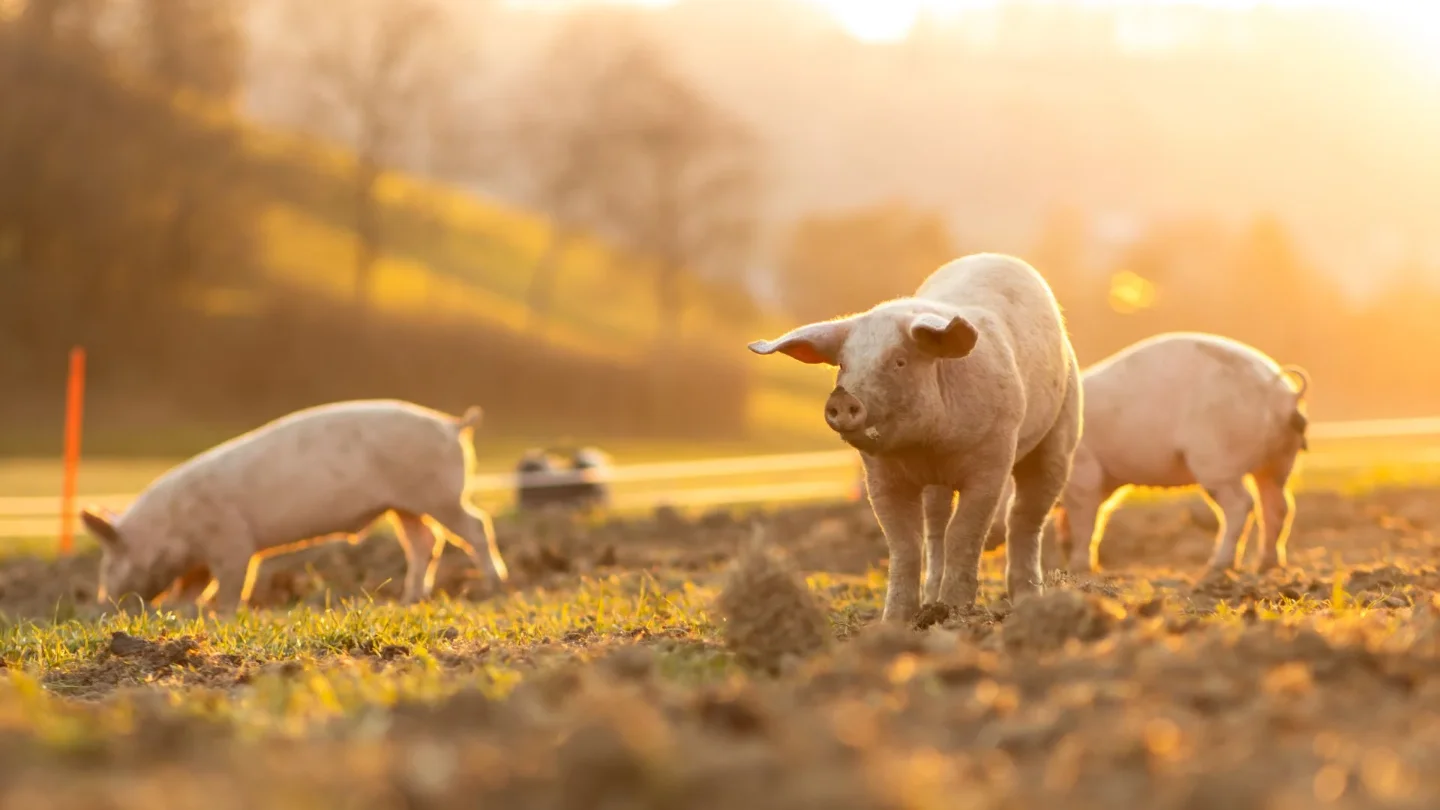
Pastured farming, a method of raising livestock where animals live outdoors on open pastures rather than in indoor confinement or feedlots. Pastured pork is considered "the most humane way of farming pork", but is it really?
Benefits of pastured pork farming
There are many benefits to raising pigs on pastures, one of them being animal welfare. Pastured pigs are free to express their natural behaviour. This means the pigs are less stressed and they get along better with each other and with handlers. Another benefit of pastured farming is land improvement, because animals naturally consume or trample weed which helps cycle nutrients and build healthy soil. Pastured pigs additionally have access to a diverse array of plants and insects that keep them healthy and entertained. Pasteurising animals also helps reduces cost because the pigs need less feed, which tends to be an expensive input.
The problem with pastured pork
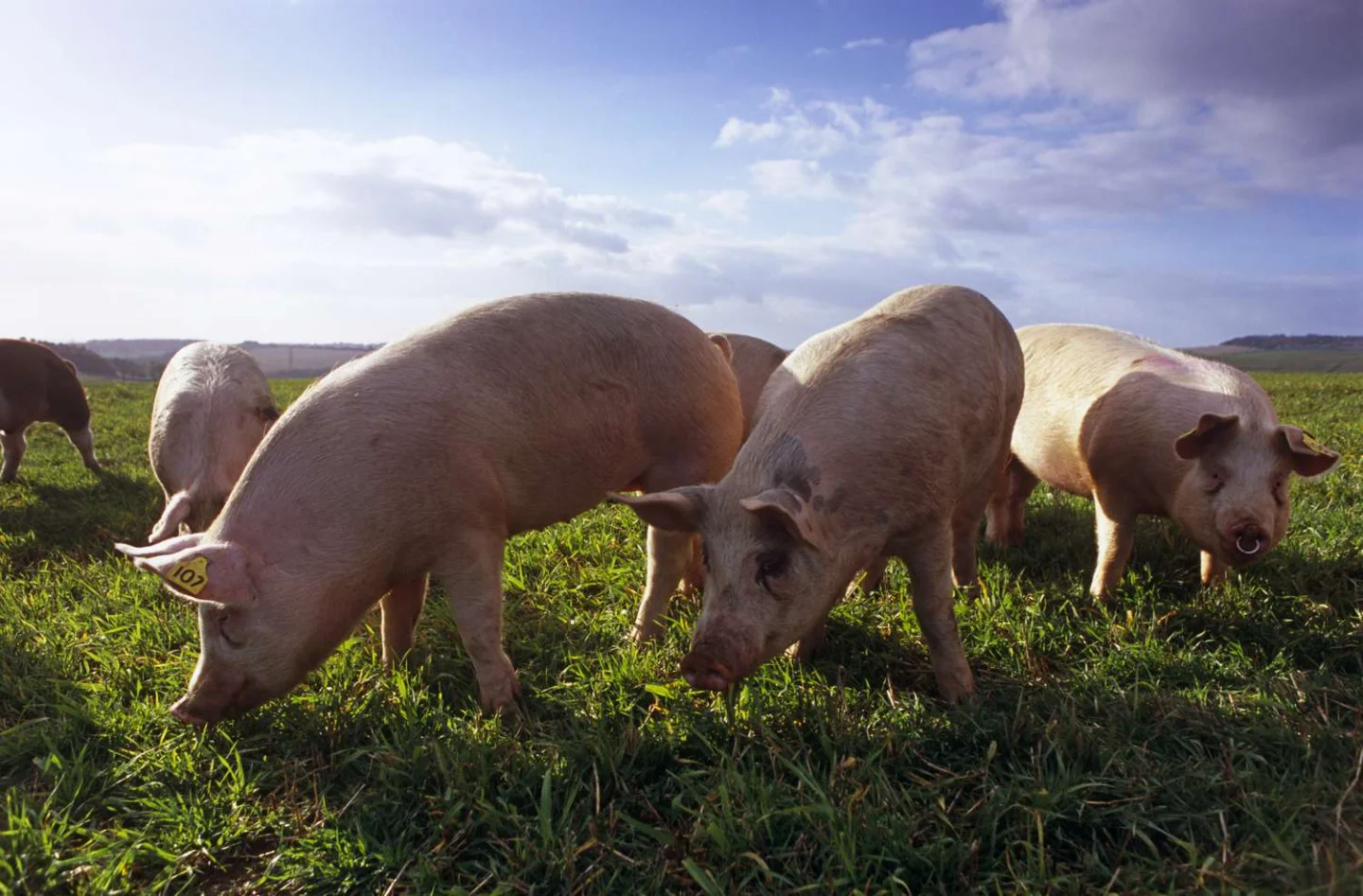
Even though pastured pork farming has many benefits, there are also some down sides to it. This includes the exposure to extreme temperatures, like scorching or freezing weathers. This causes the pigs to suffer from sunburns or hypothermia. Pastured pigs can also come in contact with pathogens such as parasites or fall prey to predators. The pigs can additionally suffer from malnutrition. Poor hygienic conditions are another risk, as is premature death, particularly in pre-weaning piglets. In spite of being given more space and a higher proportion of environmental stimulation, pigs can suffer from mental distress. Practices such as mixing unfamiliar pigs, and the routine use of painful procedures can lead to behavioural and physiological changes which affect pigs’ mental wellbeing. Even when raised outdoors on pastures, pigs still face physical pain and mental stress because they are subjected to standard commercial farming practices and human control. Tessa Gallo says "despite a similarity between pasture land and the pigs’ natural habitat, pasture-farmed pigs can have poor levels of wellbeing, mostly due to the complexity of the pasture ecosystem and the needs of keeping up with productivity demands.". This supports my claim that pigs on pastures can suffer from mental distress. Another quote from Gallo says "depending on the time of the year and on the environmental condition of the land, pasture-raised pigs and sows in particular can suffer from malnutrition. Poor hygienic conditions are another risk, as is premature death, particularly in pre-weaning piglets.". This upholds my statement that pastured pigs can suffer from malnutrition, poor hygienic conditions, and premature death.
Solutions to this problem
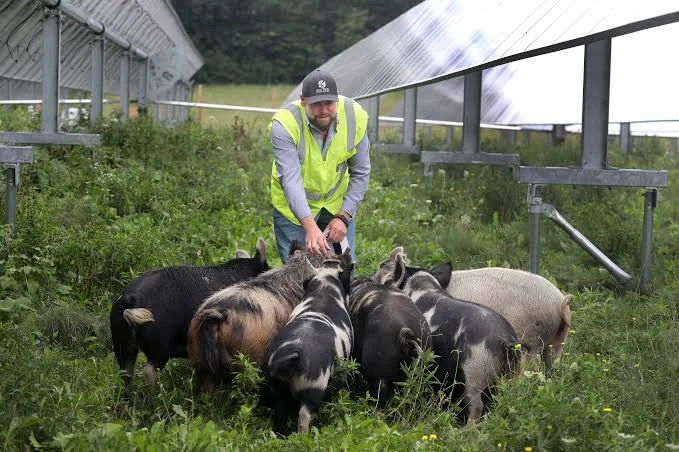
Solutions to consider is improved management practices, tailored animal care, and genetic selection. Improving pasture management protects pigs and secures their food supply by reducing environmental hazards. Having skilled workers that can spot and treat sick animals early to prevent diseases from spreading. Cleaner facilities, adequate shelter, and personalized nutrition protect pigs from infections and extreme weather. Breeding hardier pigs helps them adapt to outdoor environments, reducing stress and aggressive behaviour.
Conclusion
Ultimately, pastured pork farming is humane but not as great as it is made out to be. While it drastically improves animal welfare and land while lowering feed costs, it also exposes the pigs to predators, extreme weather, diseases, and malnutrition. Moreover, commercial productivity demands and human control still effects pigs physical and mental health. In the end pastured farming is not the best farming method. It depends entirely on the management of the pigs, personalising nutrition, and hardier genetic selection to become a capable farming system.
Bibliography
Gallo, Teresa. “Pasture-Raised Pigs: Are They Living Better? - Faunalytics.” Faunalytics, 16 Nov. 2020, https://faunalytics.org/pasture-raised-pigs-are-they-living-better/. Accessed 22 Aug. 2026.“Pastured Pork.” Rodale Institute, https://rodaleinstitute.org/why-organic/organic-farming-practices/livestock-management/pastured-pork/. Accessed 22 Aug. 2026.“The Benefits of Grazing • Chesapeake Bay Foundation.” Chesapeake Bay Foundation, 20 Nov. 2025, https://www.cbf.org/the-benefits-of-grazing/. Accessed 24 Aug. 2026.
Send me your thoughts
